See more photos here.
We are (still) the 99 percent
Occupy Wall Street was seen as a failure when it ended in 2011. But it’s helped transform the American left.
<> <> <> 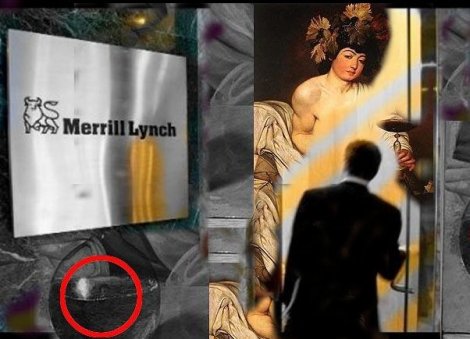
Merrill Lynch Wall Street Waltz (Digital photo collage by Fung Lin Hall)

Iconoclastic Incubator
See more photos here.
We are (still) the 99 percent
Occupy Wall Street was seen as a failure when it ended in 2011. But it’s helped transform the American left.
<> <> <>
Merrill Lynch Wall Street Waltz (Digital photo collage by Fung Lin Hall)
(Delphine Seyrig from Pull My Daisy)
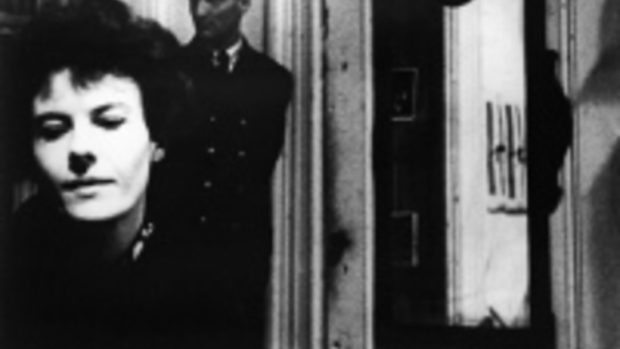
Pull My Daisy is a 1959 American short film directed by Robert Frank and Alfred Leslie, and adapted by Jack Kerouac from the third act of his play, Beat Generation. Kerouac also provided improvised narration
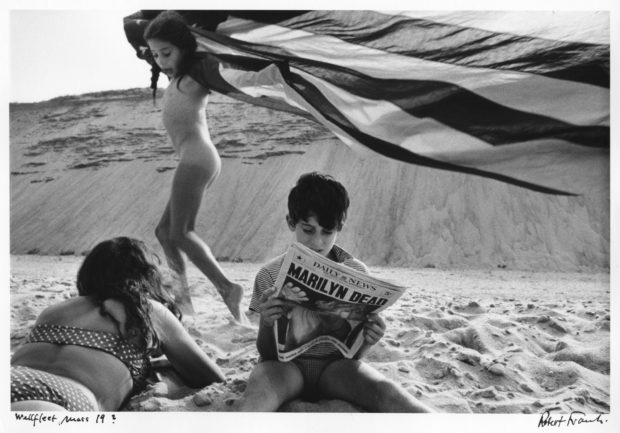
The Unseen photos: Outtakes From ‘The Americans
How Robert Frank’s Book The Americans Redefined American Photography
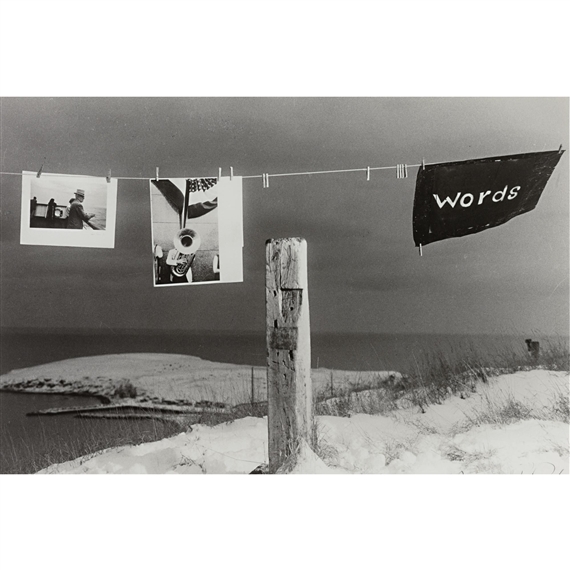
Robert Frank – 20 years in Mabou, Nova Scotia (Repost)
Andrea Mabou 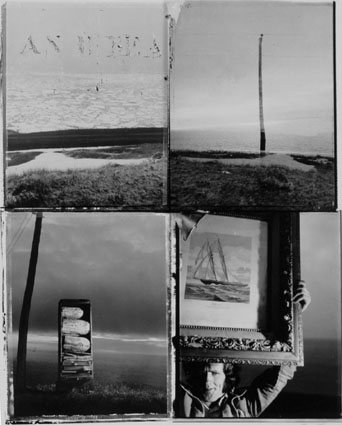
Looking again at Robert Frank
The Fire Below Mabou January 1980 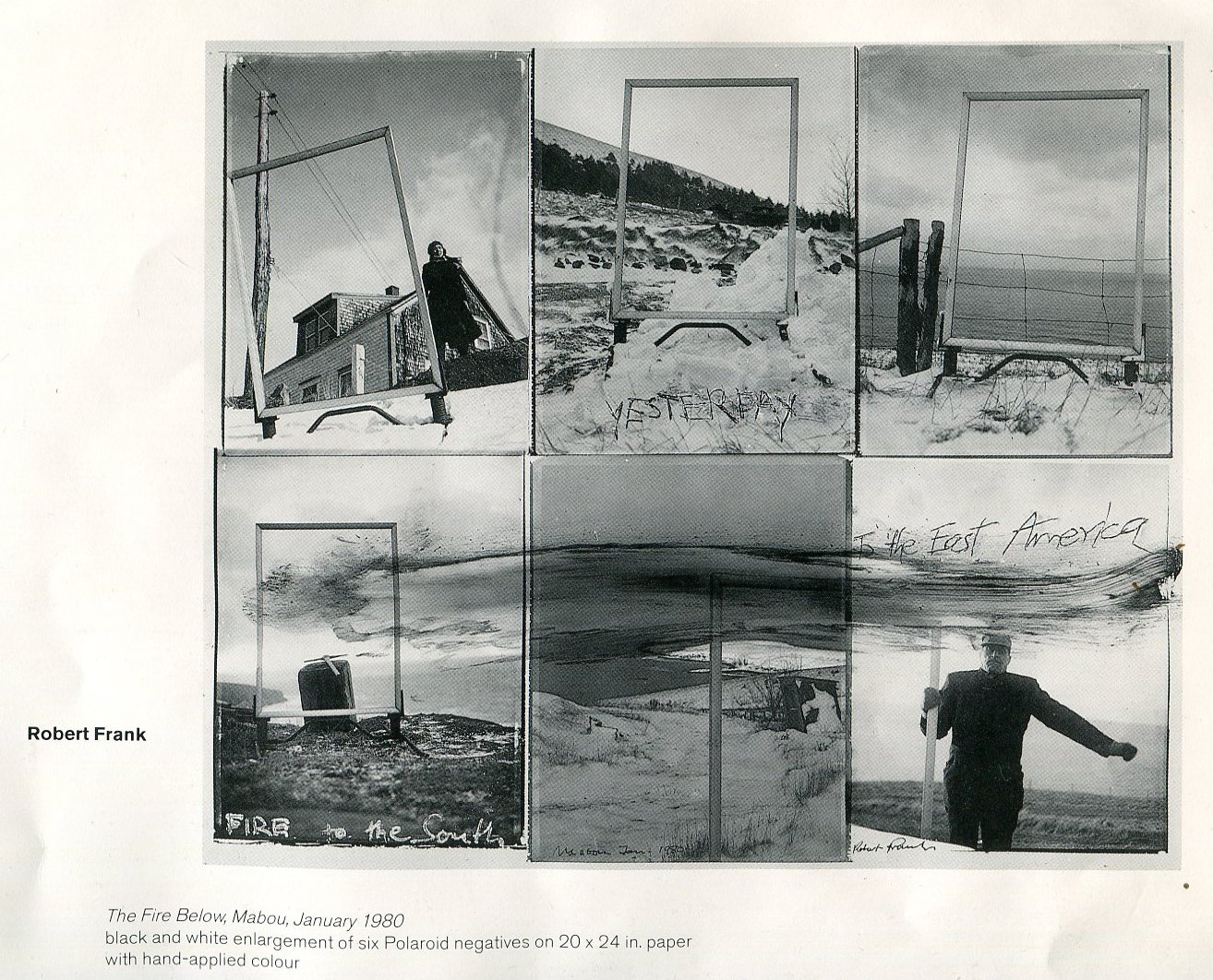
( Click to see large)
Paris photos (youtube)
Robert Frank 
and his wife June Leaf. Photograph: Eamonn McCabe
Shooting from the hip..
Click to see large 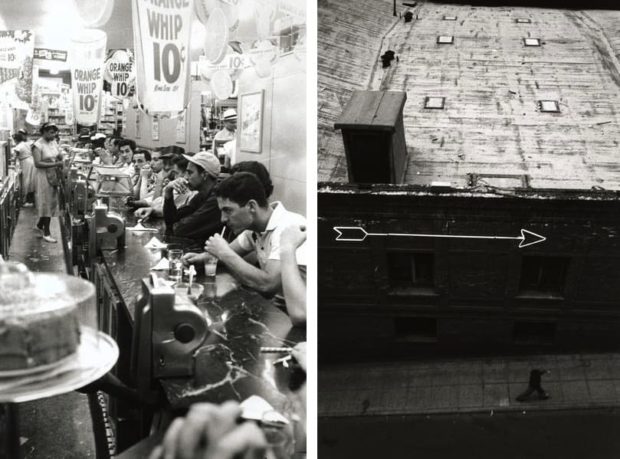
(From Detroit to L.A.)
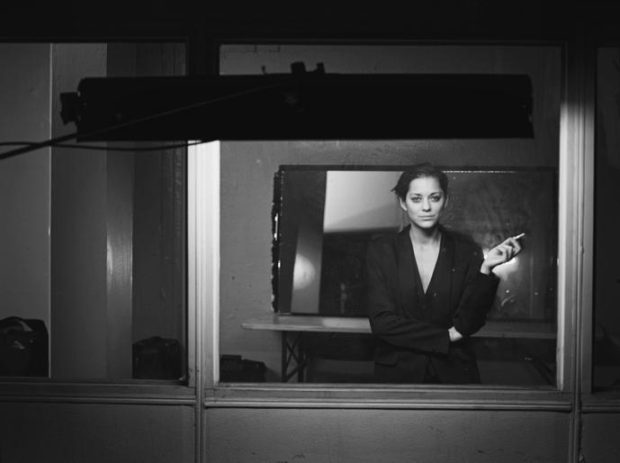
(Marion Cortillard – Paris 2007)
Remembering Peter Lindbergh
Zhiyi 
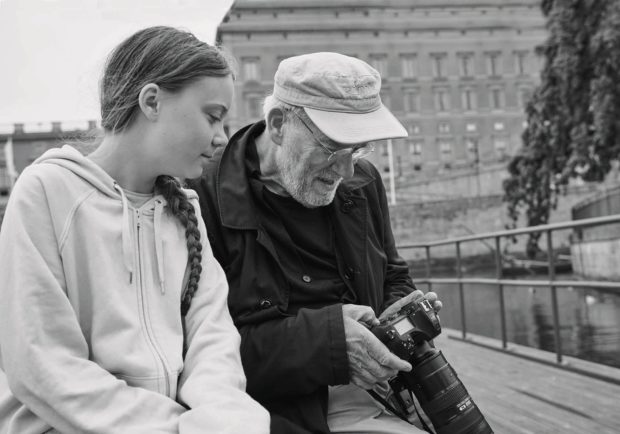
(Lindbergh shows Greta Thunberg some options in Stockholm.)
Vogue 2019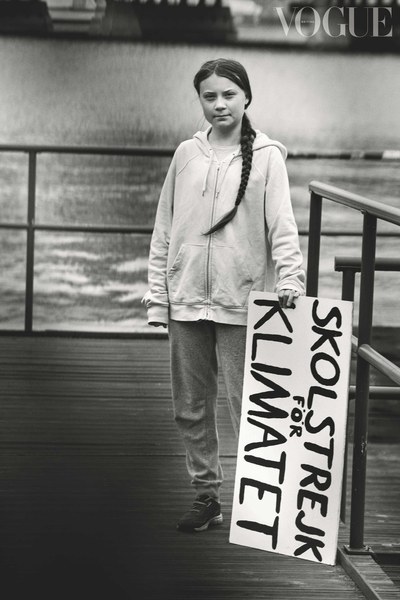
(“School strike for the climate” the sign said.)
His pictures look like film stills, with action and time stopped, and he also directed several successful documentaries, including Inner Voices (1999), winner of best documentary at the Toronto film festival the following year, and a film about his friend the choreographer Pina Bausch(2002).
The Birds by Peter Lindbergh
One of the most respected and widely emulated photographers working today, Peter Lindbergh has been described as a “poet of glamour.” Since 1978, when Stern Magazine published his first series of fashion photographs, his work has been published by every major international fashion magazine and commissioned for the influential campaigns of the worlds leading fashion designers.

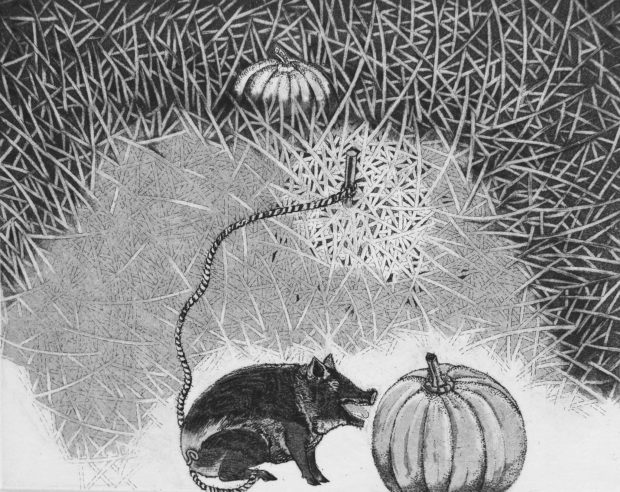
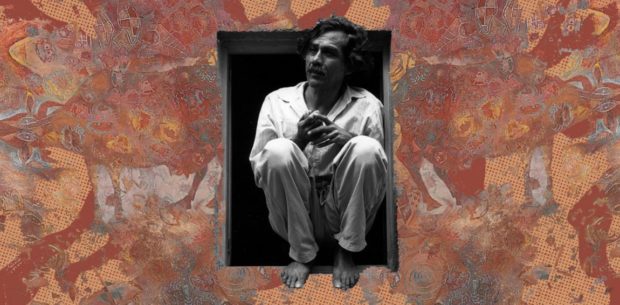
Francisco Benjamín López Toledo, one of Mexico’s most influential artists, has died. Born in Oaxaca on July 17, 1940, the painter, sculptor and activist was 79.
Toledo studied at the Escuela de Bellas Artes de Oaxaca and the Centro Superior de Artes Aplicadas de Bellas Artes. He incorporated his Zapotec heritage in his work, whether that was through prints, collages, ceramics or paintings. Toledo also included a lot of the animals that he grew up seeing. He particularly focused on animals – such as bats, frogs, lizards and cows – that others don’t always value.
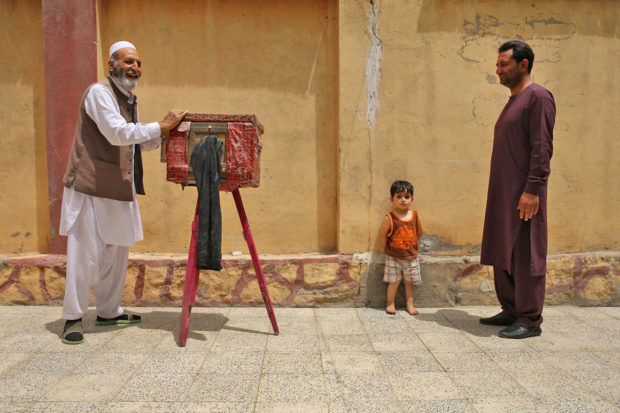
Abdul Haq Baratali
Has the Afghan Box Camera Finally Met Its Match?
The unique portrait-maker has survived wars, invasions, and fundamentalist tyranny. But digital photography may be too much to overcome.
by Lynzy Billing
The 69-year-old photographer is sitting on the porch outside his cluttered one-story house on the outskirts of Kabul, Afghanistan, remembering when he was six years old. Back then he had to use whatever was on hand—usually cameras from the Soviet Union, which he borrowed from his sister’s husband.
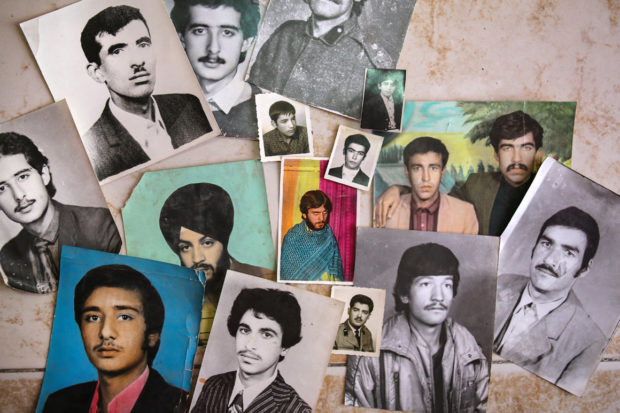
Baratali has photographed thousands of people over the years, from generals and children to popular singers and police officers. Lynzy Billing

The Taliban banned photography in the 1990s, calling it an affront to Islam. Displaying an image became a crime punishable by beating or imprisonment. Robert Nickelsberg / The LIFE Images Collection via Getty Images
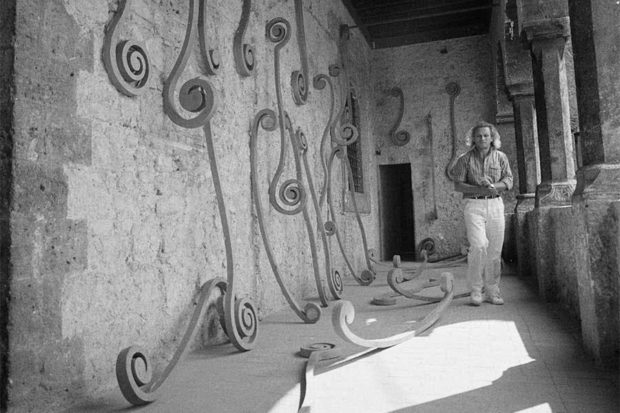
Eliseo Mattiacci, the Italian postwar artist who over the course of his five-decade career created sculptures that grapple with the mysteries of the cosmos, died in Pesaro, Italy, on August 26.
Eliseo Mattiacci via Apollo Magazine – obit
Eliseo Mattiacci (1940–2019) | The Italian sculptor Eliseo Mattiacci, who was closely associated with Arte Povera, died on 26 August at the age of 78. Born in Cagli, Mattiacci studied at the Istituto di Belle Arti, graduating in 1959 before moving to Rome. Known for his large-scale abstract compositions, Mattiacci created sculptures and installations investigating humanity’s relationship with our environments and our place in the cosmos.
See a fabulous slide show photos of his outdoor sculptures in Florence.


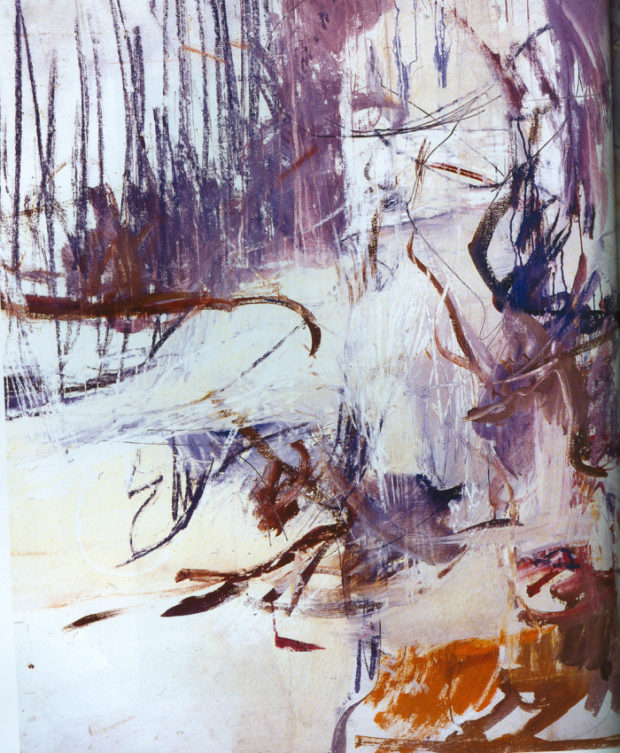
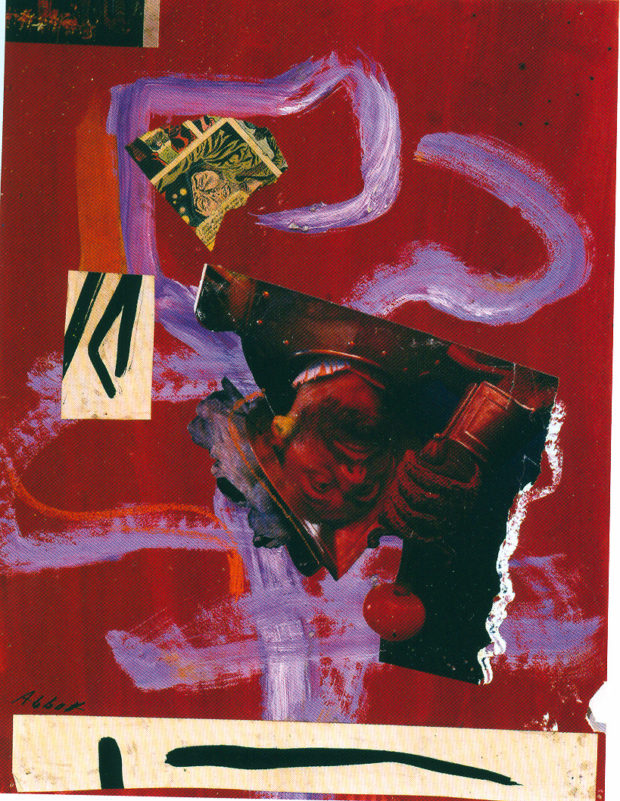
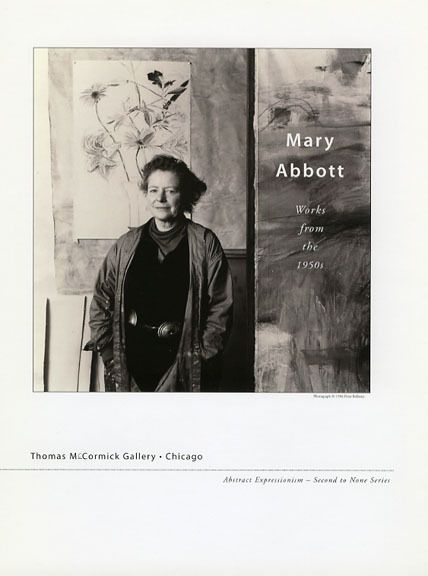
Untitled 1957 (Mixed media and paper collage 23 3/4 x 18″)
From 1974-77 Abbott taught at the Univ.of Minnesosta, her courses emphasized the use of color. When she returned to NY in the late 70’s she embarked on a series of flower paintings to increase her own understanding of color.
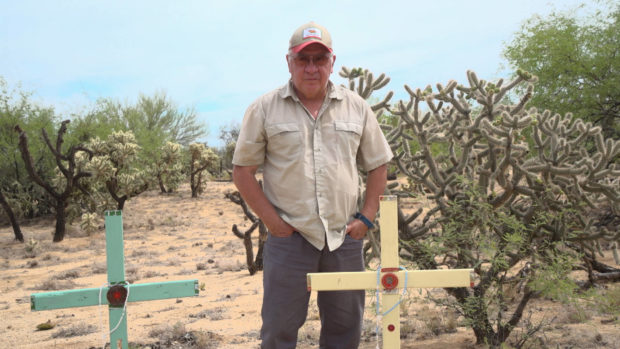
Meet Alvaro Enciso, the Artist Placing Crosses in Sonoran Desert to Memorialize Migrant Deaths
Quilt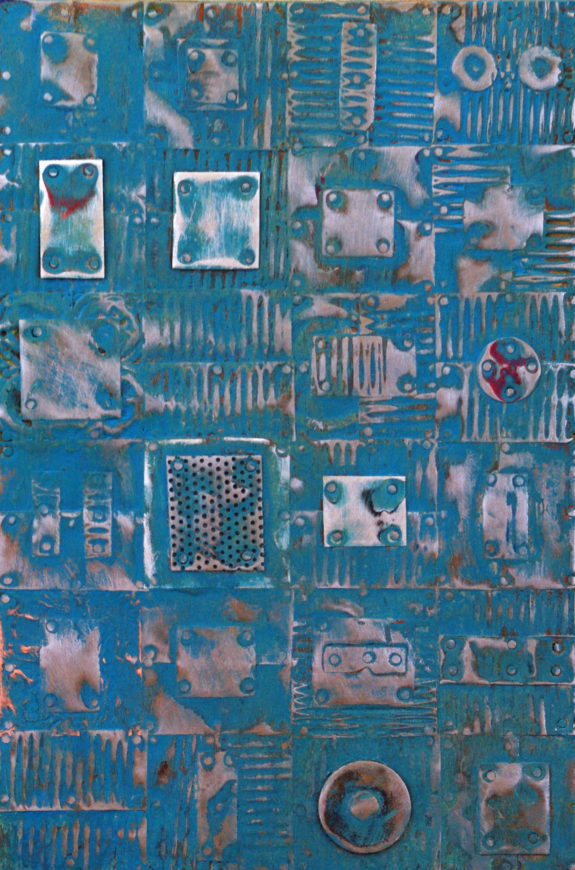
via (see his art here)
The Constant Presence of Absence Art by Alvaro Enciso
The Art of Alvaro Enciso is often overshadowed by his Crosses In the Desert project, “Where Dreams Die”. Where Alvaro places Art Crosses in honor of migrants who have died in the Sonoran Desert of Arizona. His Art isn’t separate from it, rather just another extension of the creative process in channeling the concepts of “The American Dream” through various bodies of work.
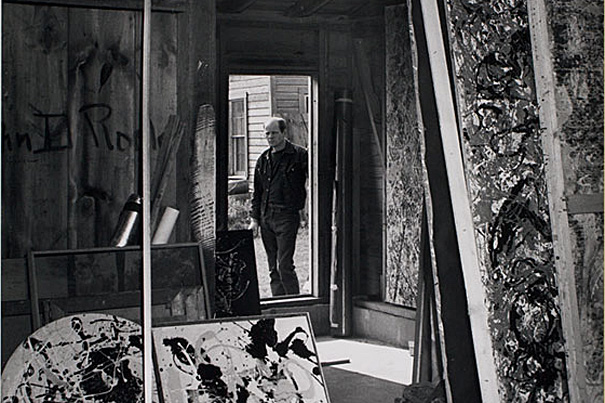
Pollock: Artist and physicist?
Jackson Pollock died on Aug 11 1956.
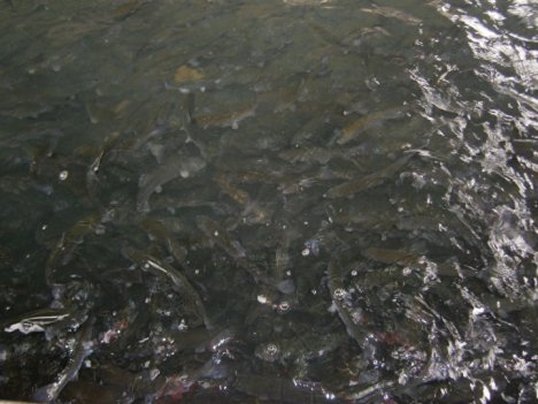
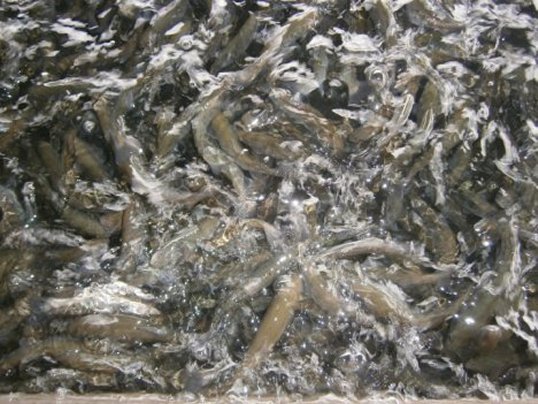
Rainbow Trouts in action – (photos by Fung Lin Hall)
Rainbow Trouts, Jackson Pollock and birds
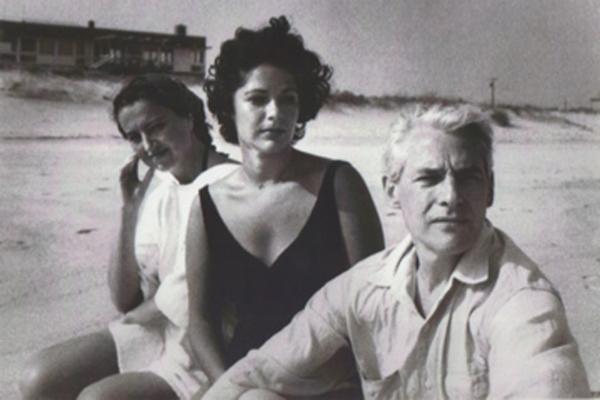
(Jane Freilicher, Ruth Kligman and Willem De Kooning)
Ruth Kligman was romantically involved with two prominent American artists of the mid-20th century, Jackson Pollock and Willem de Kooning.
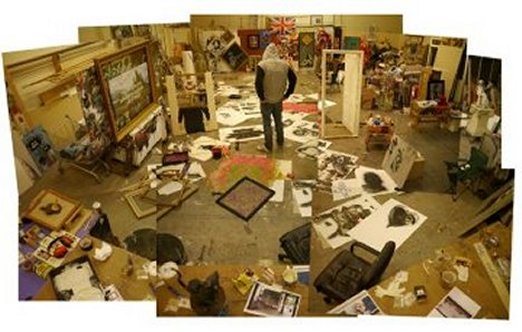
via Robin Gunningham/Mr Banksy… or Banksy in Studio
Banksy homepage here.
Previous post
Monet 
by Banksy
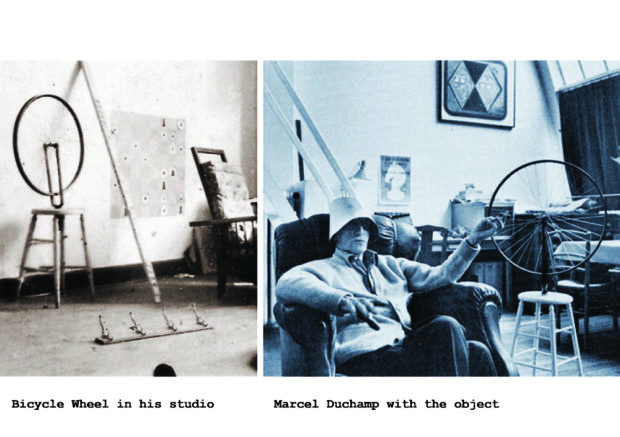
July 28 2019 today.. happy birthday Banksy and Marcel Duchamp.

via
Mario Merz 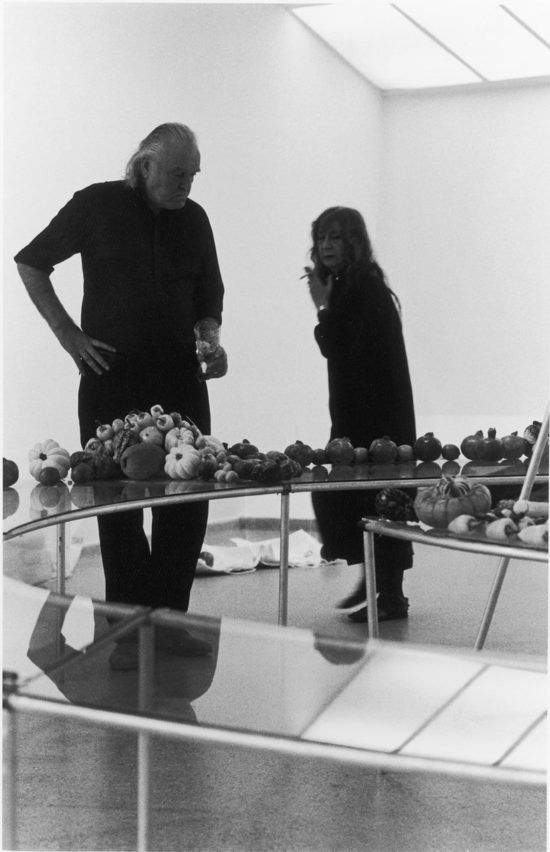
(Marisa Merz with her husband}
Looking Back at the Inimitable Art of Marisa Merz
Italian sculptress and mixed media artist.
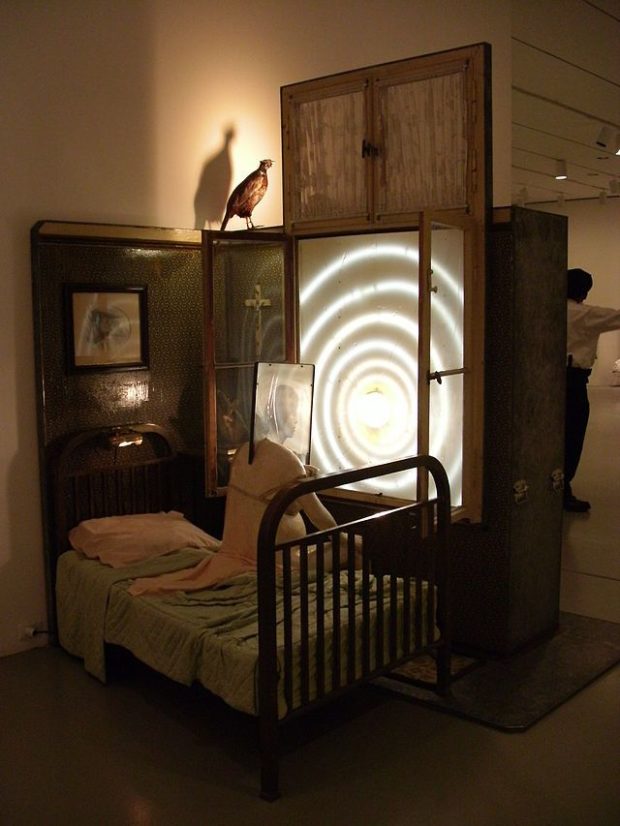
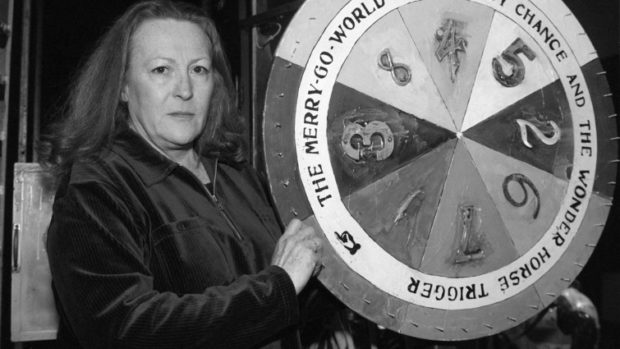
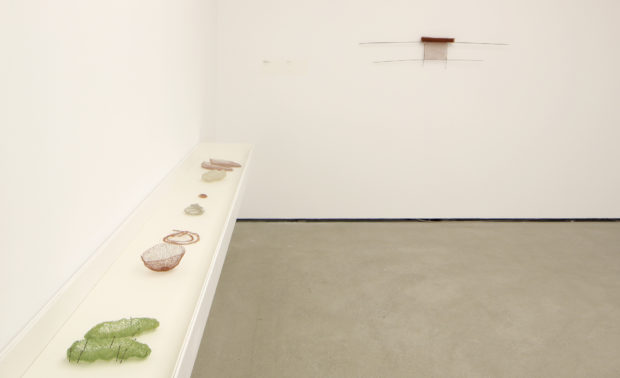
Before dedicating herself entirely to graphic arts, Marisa Merz studied architecture, during which time she met her husband, Mario Merz, a major artist of the Italian art scene of the second half of the 20th century. She began showing her work in 1967 in Turin, birthplace of Fiat and of the protest movement Arte Povera (“poor art”). The movement, which brought together a group of Italian artists as from the late 60s, used “poor” materials, often taken from everyday life, as art objects. In 1968 Marisa Merz, her husband, Jannis Kounellis and Michelangelo Pistoletto, among others, participated in the event Arte povera + Azioni povere (“poor art + poor actions”). On this occasion, she made braided copper and nylon thread pieces shaped like small children’s shoes (Scarpette di Bea) or in the likeness of her daughter Beatrice and left them on the beach in Amalfi. Since her beginnings, metal was always her material of choice in her figurative and abstract work alike. This material was typical of Arte povera artists but also of the New York disciples of Minimal Art – a movement she distinguished herself from in the way she worked materials and created new shapes, delicately assembling aluminium sheets, weaving inextricable nylon and copper webs, subjecting these industrial materials to the patient labour of sewing traditionally attributed to women, making them light, airy, and insubstantial like cobwebs (Untitled, 1979), organic in their tubular or triangular shapes and in the slightly irregular excrescence they always present. The artist’s attention to the intrinsic properties of materials and value she places in their rigidity or flexibility, their malleability, and especially their colour, are essential elements of her universe – poetic, uncluttered, and undeniably driven by a search for beauty.
via