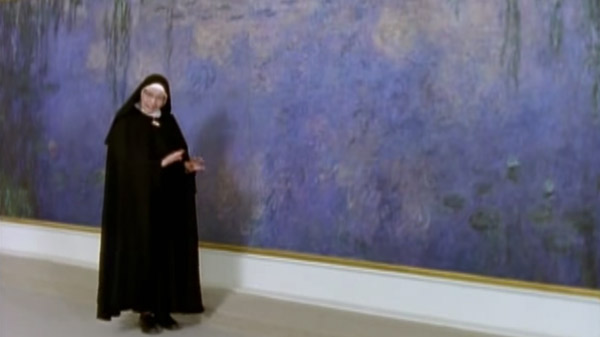
(Episode 8 of the The Story of Painting
Sister Wendy – in front of Monet’s paintings of waterlilies at L’Orangerie
– talking about her experience of the paintings and how Monet painted them)
About Sister Wendy (1930-2018) – nun, art critic and unlikely TV star
“Sister Wendy” as she was universally known – a.k.a. Sister Wendy Beckett, variously described as a broadcaster, art historian, art critic, consecrated virgin and hermit – died yesterday age 88 at her home and sanctuary at the Carmelite Monastery in Quidenham in Norfolk.
Sister Wendy’s lecture on Stanley Spencer, she was great – and funny.
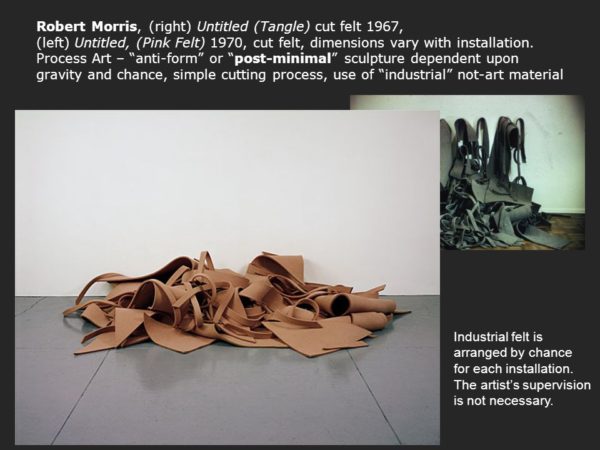
Robert Morris—the American artist who irreversibly transformed contemporary art as a founding practitioner of Minimalism—has died at age eighty-seven in Kingston, New York, from pneumonia, according to his wife, Lucile Michaels Morris. For over five decades, Morris flouted predictability through his experimentations in sculpture, dance, performances, installations, Land-, and process art.
Simon Grant
In the text ‘Indiana Street’, the wonderful essay on some recollections of your childhood growing up in Kansas, that appears in your most recent collected writings Have I Reasons, you wrote about a moment in the winter of 1935, when you were four years old, putting your fist through a window, and described your reaction as the ‘cardinal moment in my life’. Could you tell us more about this?
Robert Morris
It was a moment of fury and anger relieved by an act of bodily violence. No doubt I have lived a life of art-making by transposing and sublimating a fury that has never abated and rises ever anew: an unending source of energy.
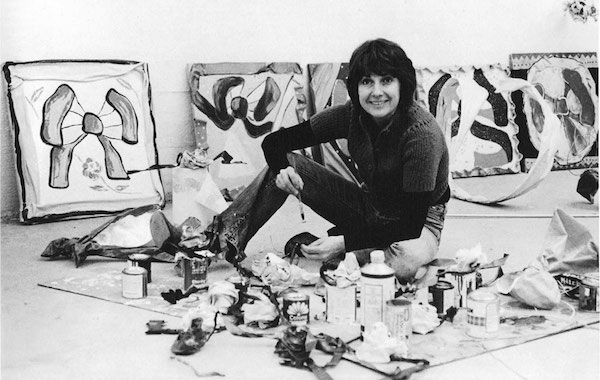
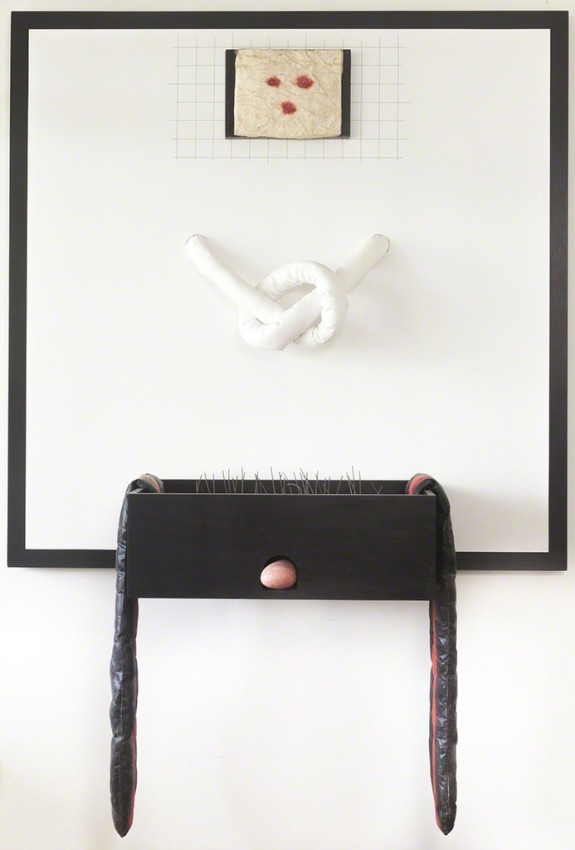
Morton’s work is as unusual as her biography. Born in upstate New York, in 1936, Morton, who was a trained nurse, only started making art in her thirties and received her MFA at the age of 34, already a mother of three.
Her entire body of work was created between 1968 and 1977, when she died prematurely in a car accident at the age of 41. But her vision seems to have erupted almost fully formed and, in just a few years, she managed to deliver more than many artists cobble together in a lifetime.
Present in the selection of pieces are many of Morton’s sentimental, décor-oriented, performatively feminine motifs — bows; ruffles; wallpaper; flowers; fairy-tale-looking flags; loopy, girlish cursive lettering — which collectively one critic would later refer to as “Emily Dickinson in love with Raymond Roussel.” When she prepared the application, Morton had been making artwork for less than a decade, and a few months later, she would be dead.
In the 41 years since, Morton — who once described her own artistic ambitions as “light and ironic on serious subjects without frivolity” — has become something of an obsession within the art world.
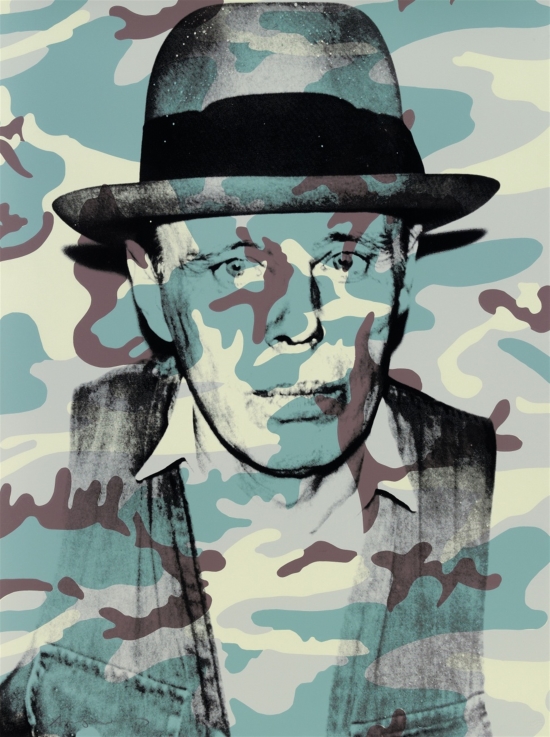
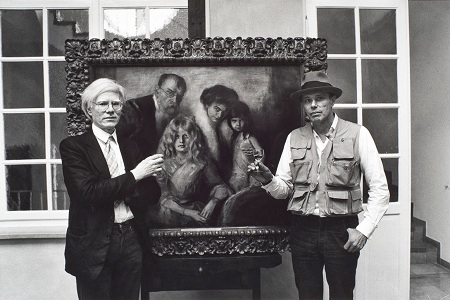
Andy Warhol and Joseph Beuys were not close friends. Though they met a number of times, in New York, Naples and Dusseldorf, the artists maintained a sincere, respectful relationship.
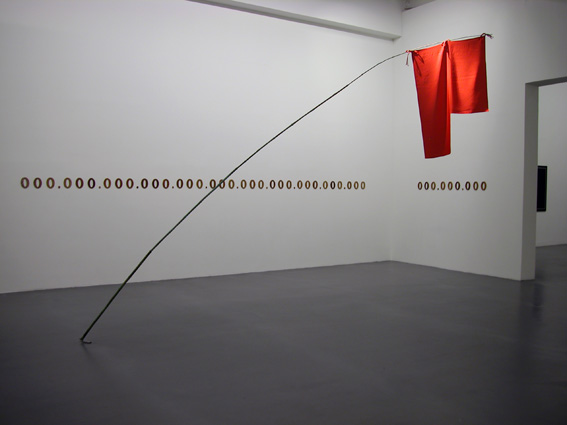
Brazilian artist Antonio Dias, whose paintings and sculptures viscerally challenged the authoritarian regime that ruled his country for over two decades, has died at age seventy-four. While Dias’s early canvases mingled Nova Figuração (New Figuration) with graffiti and comic book influences to address urban violence, censorship, war, and Brazil’s former military dictatorship, his later works moved toward an abstraction that was less overtly political.
After Utopia
“Our Lives Are Shaped by the Quality of Our Attention” – Antonio Dias
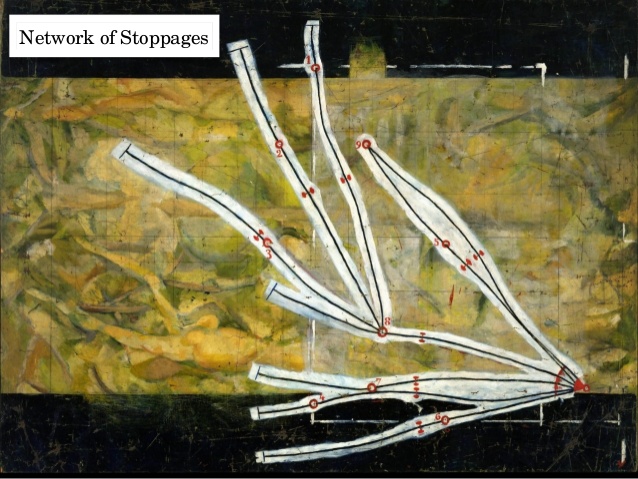
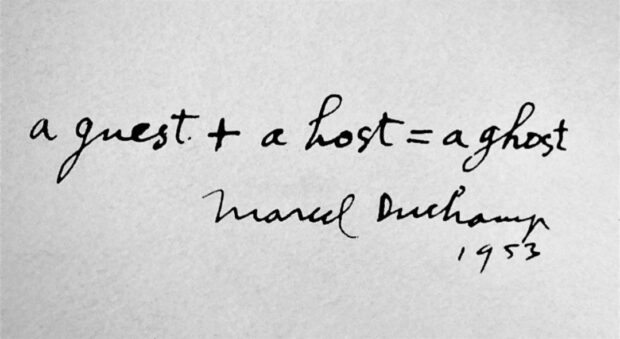
The essay traces military relationships in the work of Marcel Duchamp (1887–1968), paying particular attention to his notes of 1912 known as the ‘Jura-Paris Road’. These are interpreted as ‘military texts’ and the author shows how military concerns remained with Duchamp throughout his career, resulting in facetious outcomes that obscured uneasy preoccupations.
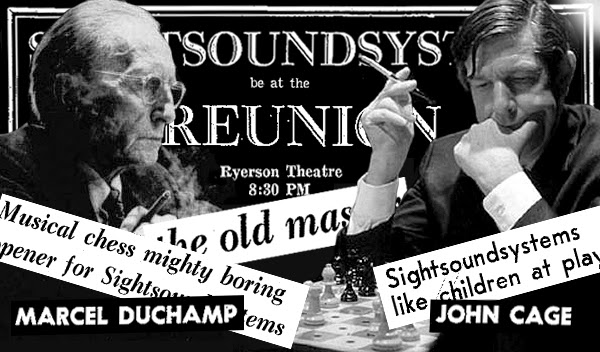
John Cage met Marcel Duchamp in the 1940’s
(Only when Duchamp’s health was failing, Cage decided to seek Marcel out with the pretext of taking chess lessons. So Duchamp, his wife and Cage met and played chess.)
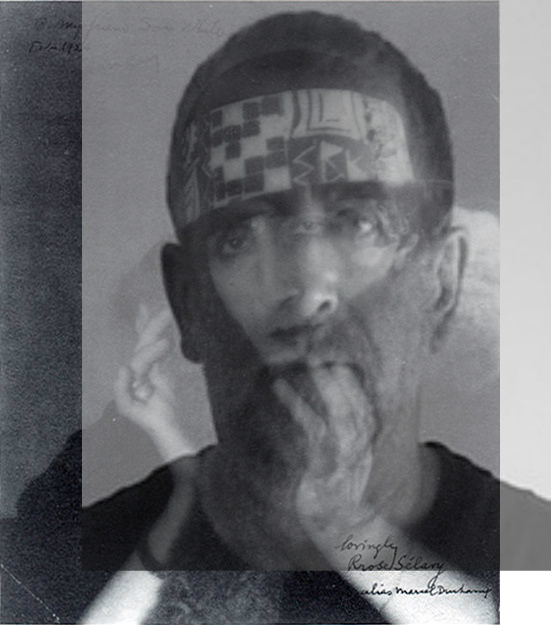
“To all appearances, the artist acts like a mediumistic being who, from the labyrinth beyond time and space seeks his way out to a clearing.”
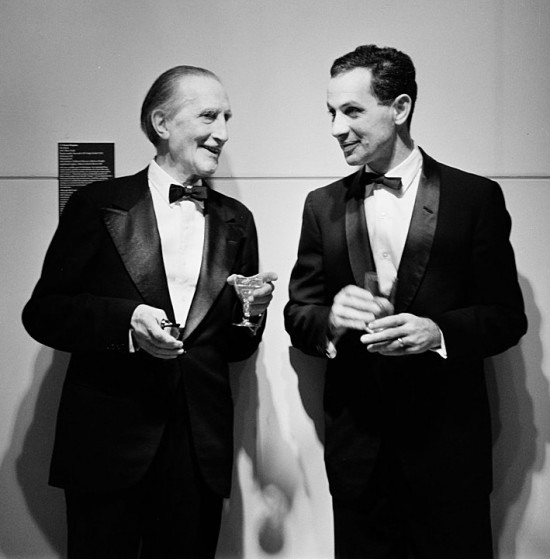
In Artopia we think of Duchamp as one of the great poets of the last century; perhaps too much of a dandy, perhaps too much of a chess-player and a poseur, perhaps too much of a gentlemen — but always a prestidigitator of the first order.
Robert Smithson told me he once confronted Duchamp at a party: “I see you are into alchemy,” he accused. “Why, yes,” answered Marcel.
JP: Why did you keep it a secret?
MD: As we have discussed in the past, secrets have been essential to my work, which may or may not have anything to do with art.
JP: I read in Calvin Tomkins’ new biography called simply Duchamp (Henry Holt, 1996) that your brother-in-law Jean Crotti once said that how you used time was your real art work.
MD: Rather, it was how I abused time.
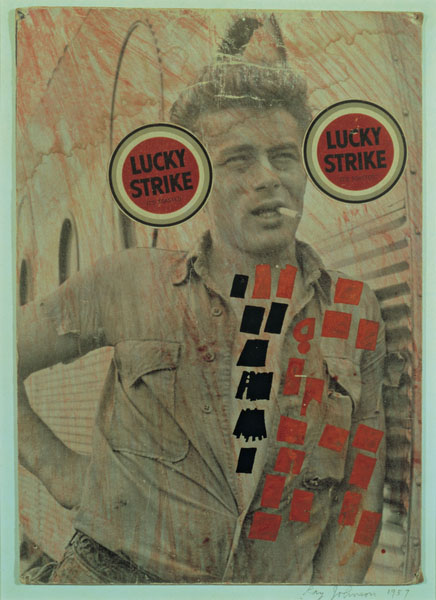
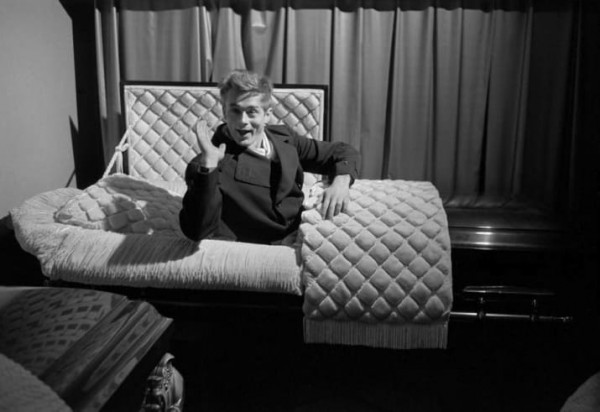
Dennis watched in horror as Jimmy took off his boots and climbed into a bronze casket. He crossed his arms and shouted, “Shoot.”
Dennis refused, saying that it was in bad taste, and suggested Jimmy get out of the casket before someone came in.
Implicit in the series of photos was Jimmy’s dark side, coupled with his desire to be close to his mother, who had died when he was nine years old.












 by
by